An effective procurement cost reduction strategy is not simply about demanding lower prices from suppliers. It requires analyzing spend, reviewing business needs and specifications, increasing competition, and using digital sourcing tools, RFQs, and electronic auctions to improve commercial terms without compromising quality or service.
The procurement department plays a decisive role in the profitability and competitiveness of any company. Effective supplier and negotiation management can generate direct savings, reduce dependency risks, and streamline internal processes.
How to Reduce Procurement Costs
Every company incurs different types of expenses depending on its industry, activities, and organizational structure. These costs may be classified as either direct or indirect.
For example, an industrial company that uses steel as its main raw material will depend on the price it can negotiate with its suppliers. The price of steel will directly affect the cost of the finished product because it is a direct cost.
Production costs may also vary depending on how the manufacturing process is designed. Operating a production line with four employees is not the same as operating it with two. Labor is also considered a direct cost when it is essential to manufacturing the product.
Indirect costs also affect the final cost of production. Examples include the energy required to light a facility, cleaning services, personal protective equipment, and other operational expenses. These costs should also be managed and optimized as part of the company’s overall cost reduction strategy.
What It Means to Reduce Costs Without Sacrificing Value
In our view, cost reduction should be approached as cost optimization. The objective is to adjust expenditure to what the business genuinely needs while identifying expenses that can be eliminated or reduced without negatively affecting operations.
Eliminating a particular cost does not necessarily increase profitability. In some cases, it may create additional expenses.
For example, removing an employee from an assembly line without first analyzing the production process may result in poor assembly, delays, quality problems, or additional rework. The final product could ultimately become more expensive. Cost reduction should therefore not be approached as a simple exercise in eliminating expenses.
However, obtaining raw materials at a more competitive price through supplier negotiations can produce an immediate positive impact on financial performance. Similarly, investing in more efficient machinery may reduce manufacturing costs and improve results over the medium term.
Companies are currently facing increases in raw material and energy prices that must be addressed through supplier negotiations. But should avoiding a price increase be considered a cost reduction? Strictly speaking, preventing an increase is not a direct saving, but it is an important form of price optimization and cost avoidance.
Procurement Cost Reduction Strategies
We want to emphasize the importance of the procurement function in managing and delivering cost reduction across a company.
Procurement has a broad scope and interacts with the entire organization through supplier negotiations, category management, contract management, direct and indirect spend, and many other activities. An effective cost optimization strategy must therefore be supported by a well-managed procurement department.
In many organizations, however, the procurement function remains underdeveloped and undervalued. Procurement teams are sometimes treated primarily as administrative departments responsible for processing orders and managing supplier paperwork.
In our view, procurement has a much more strategic role. It can make a significant contribution to short-, medium-, and long-term business performance and should actively participate in the company’s cost reduction objectives.
Supplier management is essential to the operation and development of any organization. Nevertheless, we still encounter companies that are excessively dependent on a single supplier for a particular product or service, with no viable alternative available. In other cases, a supplier may be overly dependent on one customer.
Neither situation is desirable from a business management perspective, and procurement teams should be responsible for identifying and addressing these risks.
Effective supplier management led by procurement not only creates substantial financial benefits but also reduces future supply risks. Excessive supplier dependency is not limited to small businesses with limited organizational resources. It can also be found in large corporations with multiple sites, where each facility manages suppliers independently.
These larger organizations may offer some of the greatest opportunities for procurement-led cost reduction.
Based on our experience with different clients, it is common to ask:
Why do we continue buying from this supplier?
The answer is often:
We have always worked with them, and we trust them.
Professional trust and proven supply capacity are valuable, but companies must still assess whether relying on a single supplier is commercially appropriate and understand how that supplier compares with the market.
Except in situations where no alternative exists, excessive dependency should be avoided. It creates supply risk, reduces competitive pressure, and makes it more difficult to achieve savings when only one supplier is available.
In a recent project for an international client, we discovered that one of its factories in the United States had purchased employee uniforms from the same supplier for 12 years.
When we proposed conducting an RFQ and inviting other suppliers to quote for the same products, the initial results showed that the incumbent supplier was considerably more expensive than its competitors.
After completing the negotiation process through a reverse auction, the incumbent supplier reduced its prices by 30%, bringing them in line with the market and retaining the business volume it had previously managed for the client.
Companies should encourage competition among suppliers, reduce dependency risks, align purchasing decisions with market conditions, and ensure that goods and services are acquired under the best possible commercial terms.
Sourcing, RFQs, and Supplier Negotiation
Requests for Quotation, commonly known as RFQs, and supplier negotiations are essential procurement processes for achieving cost reduction objectives.
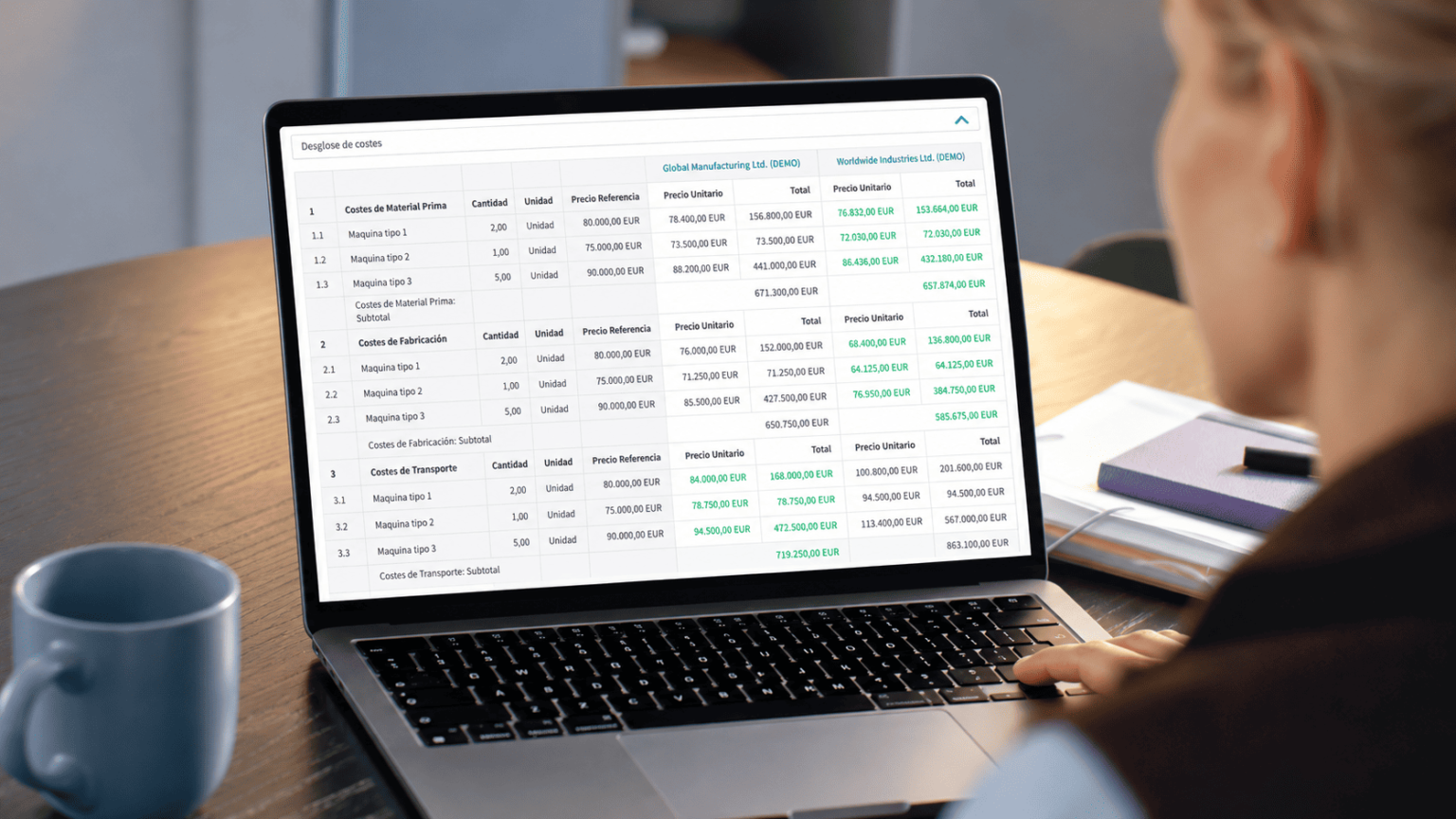
An RFQ allows a company to assess potential suppliers for a particular project by comparing factors such as:
- Price levels
- Production capacity
- Interest in the business opportunity
- Technical compliance
- Quality and service capabilities
- Commercial terms
Negotiations then help the company agree on the most advantageous price and conditions for the product or service it intends to purchase.
However, these processes are not always carried out systematically. In some companies, an RFQ is misunderstood as simply requesting a quote from a single supplier. That does not create a genuinely competitive process.
We also frequently hear statements such as:
We have worked with this supplier for many years, and they have always given us their best price.
Supplier relationships and personal trust are important, but procurement decisions must ultimately be based on sound business management.
Commercial teams naturally seek to sell at the highest sustainable price. Procurement professionals, by contrast, should aim to buy at the lowest competitive price while ensuring that the required specifications, quality standards, and service levels are maintained.
Not long ago, Spanish news reports described intermediaries who earned excessive commissions from the emergency procurement of face masks during the COVID-19 pandemic, allegedly increasing their value by 148%.
The circumstances faced by public authorities at the time were exceptionally difficult, and decisions had to be made under severe time pressure. Nevertheless, the situation raises an important question: could more effective procurement management have helped prevent such an outcome?
We believe that even a basic procurement process could have reduced the risk.
By inviting identified suppliers to submit quotations and comparing their offers—even within a very short timeframe—it would have been possible to understand the range of market prices. If one supplier was charging 148% more than another, the difference would have immediately indicated the need for further analysis and negotiation.
Even in situations of exceptional urgency, having two, three, four, or more interested suppliers creates competitive pressure. Two qualified suppliers may already be enough to begin a meaningful negotiation.
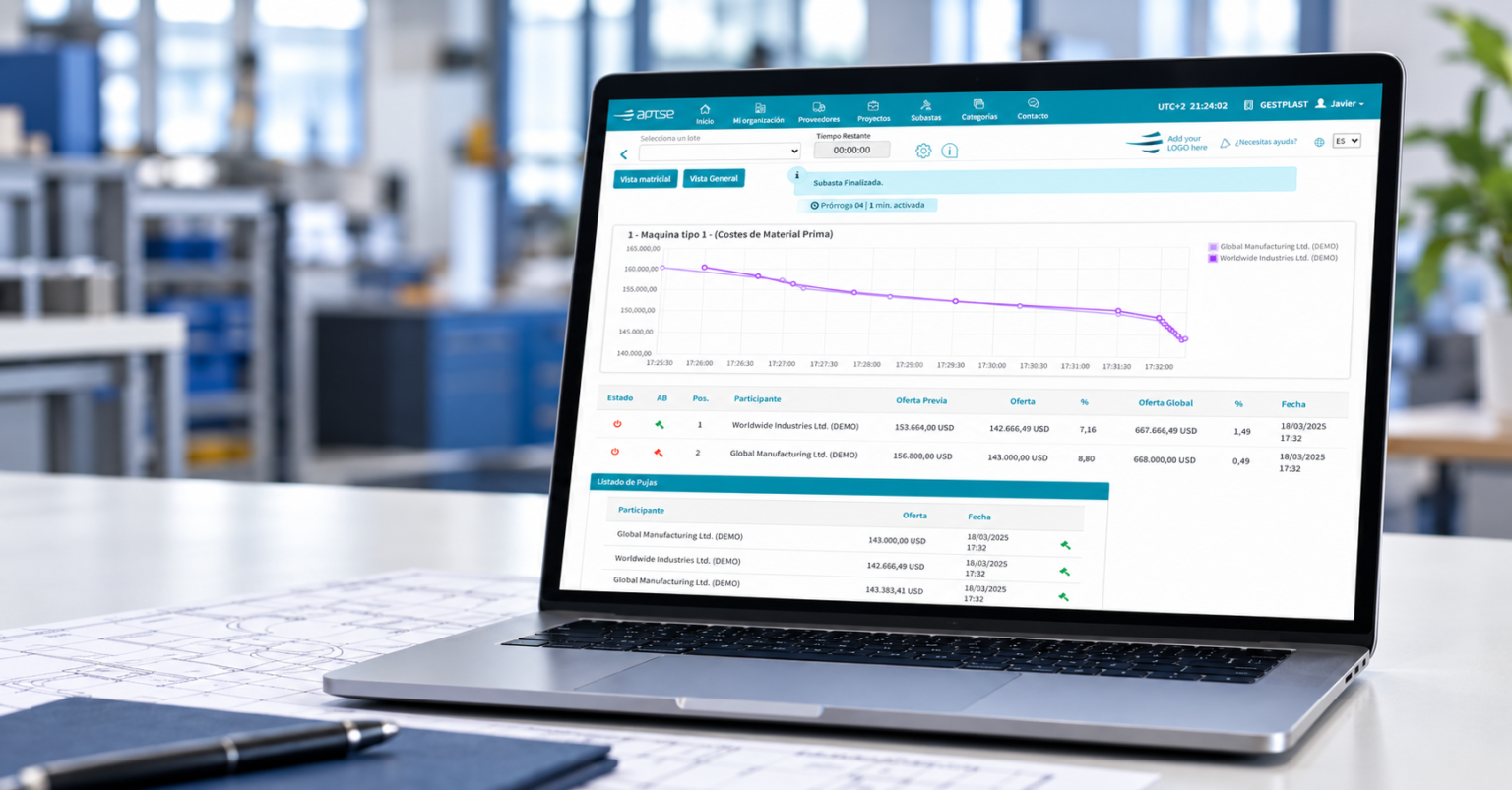
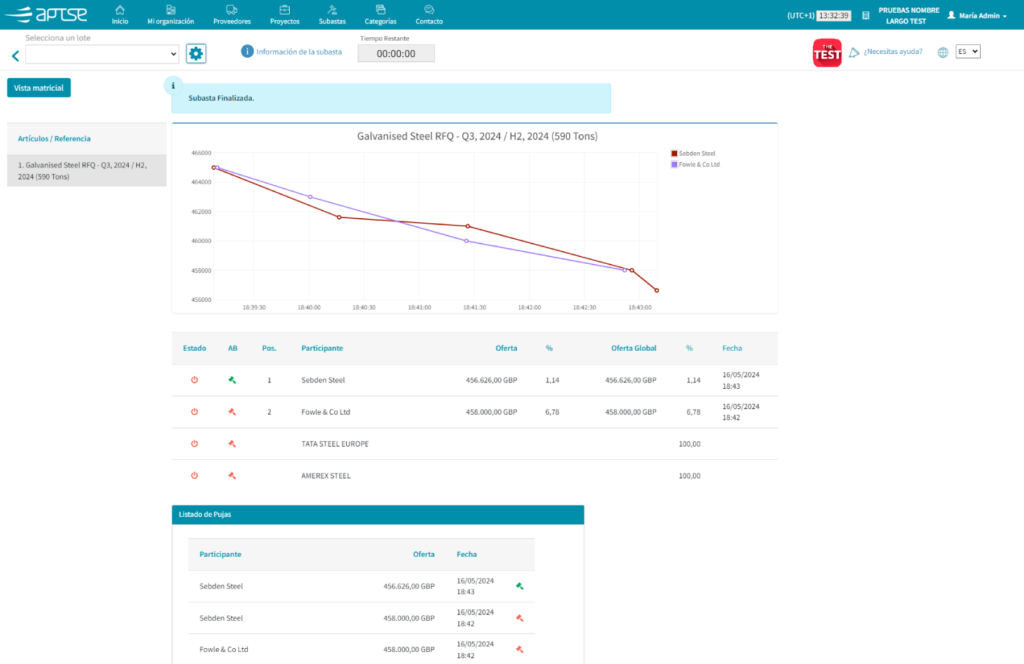
Procurement professionals can also use electronic reverse auctions as a negotiation tool. Selected suppliers are invited to compete dynamically for the business by improving their offers during the auction.
Based on our experience, a reverse auction may last approximately 15 to 50 minutes. During that period, the buyer can create real competition and work toward obtaining the best available market price.
Digital Negotiation and Electronic Reverse Auctions
Negotiation is often the final stage of a sourcing process and is essential for achieving procurement cost reduction objectives. However, obtaining competitive results is difficult when a company depends on a single supplier that faces no meaningful competition.
Electronic reverse auctions are highly effective negotiation tools when more than one qualified supplier is available.
They can help reduce purchase prices, but their benefits go beyond immediate savings. Reverse auctions can also support supplier development by allowing participating companies to understand their competitive position in the market.
Suppliers whose prices are significantly higher than those of their competitors can review the reasons behind that difference, optimize their internal processes, reduce their own costs, and improve their competitiveness.
Electronic reverse auctions provide a structured, transparent, and efficient negotiation environment. They can shorten negotiation times, reduce the internal resources required to manage the process, optimize purchase prices, and support the company’s broader procurement cost reduction strategy.