Supplier management helps companies identify suitable suppliers, verify their capabilities and requirements, and evaluate their performance. A structured process supports better purchasing decisions, reduces supply risks and provides comparable information for negotiations.
When supplier information is scattered across emails, spreadsheets and documents, basic questions become difficult to answer: which companies can supply this component? Which meet our requirements? Why did we choose one quotation over another?
Establishing consistent criteria and keeping a record of decisions makes procurement work easier. It also helps coordinate Purchasing with Quality, Production, Logistics and the other departments involved in supplier selection and contracting.
What Is Supplier Management?
Supplier management covers the activities a company carries out to identify, evaluate and select suppliers, and to manage its ongoing relationships with the businesses supplying its products or services.
It includes both the assessment before a purchase and the subsequent monitoring of whether agreed commitments are being met.
Within procurement management, this work helps answer three questions:
- Capability: can the supplier deliver what we need?
- Suitability: does its proposal meet our requirements and objectives?
- Performance: is it delivering what it committed to supply?
For example, a company may receive an attractive quotation for an industrial component. Before awarding the business, it needs to check that the supplier has sufficient capacity, meets the specifications and can deliver within the required timeframe.
Differences Between Supplier Selection, Qualification and Evaluation
These concepts are related, but each serves a different purpose.
Supplier Selection
Supplier selection involves choosing the candidates that will participate in a sourcing process or the supplier that will be awarded the business.
The decision should consider technical suitability, commercial terms and the risks associated with the purchase. The initial list of suppliers approached for information may be broader than the final shortlist invited to negotiate.
Supplier Qualification
Supplier qualification is the process through which a company verifies that a supplier meets the requirements established for a particular product, service or purchasing category.
Depending on the purchase, it may include document reviews, sample validation, technical tests or site visits.
A qualified supplier is approved for a defined scope; this does not guarantee that it will receive all future business. Nor does it mean that the approval remains valid indefinitely or applies to every product.
Supplier Evaluation
Supplier evaluation involves assessing a supplier against defined criteria and supporting evidence.
It can take place before contracting to establish suitability, and throughout the commercial relationship to review actual performance.
| Activity | Question it answers | Outcome |
|---|---|---|
| Selection | Which suppliers should we move forward with? | Shortlisted candidates or selected supplier |
| Qualification | Does the supplier meet the required conditions? | Approval for a defined scope |
| Evaluation | How does the supplier perform, and what needs improvement? | Documented assessment and improvement actions |
The sequence and depth of these activities depend on the purchase. A production-critical component may require different checks from an occasional, low-impact purchase.
How to Organise Supplier Management Step by Step
1. Define the Need and Requirements
Before looking for candidates, the company should clarify what it needs and which conditions are essential.
Relevant requirements may include:
- Product specifications or service scope.
- Quantities and required capacity.
- Delivery dates and locations.
- Quality requirements.
- Required documentation and supporting evidence.
- Support arrangements and incident response expectations.
It is useful to distinguish between mandatory requirements and scored criteria. If a supplier cannot meet an essential specification, a strong price score should not compensate for that failure.
2. Identify Candidates and Request Information
The search may include existing suppliers and new companies capable of meeting the requirement.
When more information about their capabilities is needed, an RFI allows the buyer to ask consistent questions and collect responses before requesting commercial quotations.
APTSE’s RFI software allows companies to create questionnaires, collect documents and analyse responses from invited suppliers.
This stage helps narrow the initial list to candidates that warrant a more detailed assessment.
3. Verify Evidence and Document Approval
The information provided by a supplier should be checked against the evidence required for the purchase.
For example, stating a particular production capacity does not demonstrate that this capacity will be available during the contract period. Similarly, holding a certification does not replace checking compliance with the specific purchasing requirements.
The company should record the scope of approval, any outstanding conditions and who validated each aspect. Reviews should reflect the criticality of the supply and any relevant changes.
4. Request and Compare Quotations
Once suitable suppliers have been identified, the company can request proposals on a consistent basis.
An RFQ defines what is being purchased and requests comparable prices, delivery times and commercial terms. Our article on what an RFQ is and how it works explains how to structure this request.
The comparison should cover the full scope, including transport, tooling, installation, maintenance or any other items relevant to the purchase.
5. Negotiate and Document the Decision
Negotiations should take place between proposals that meet the necessary requirements.
Depending on the project, this may involve clarification, additional quotation rounds or an electronic auction.
The final decision should document the criteria applied, the agreed terms and the reasons for selecting the supplier.
6. Review Performance
After awarding the business, the company needs to check whether the actual results match what was agreed.
Monitoring helps identify deviations, request corrective action and decide whether to maintain, expand or review the commercial relationship.
The frequency should reflect the risk: a supplier whose failure could stop production requires a different level of monitoring from one providing an easily replaceable item.
Which Criteria Should You Use to Evaluate Suppliers?
The criteria should reflect the specific purchase. As a reference, CIPS includes technical capability, quality, supply capacity and price comparisons within its procurement and supply cycle.
A practical evaluation may consider:
- Quality: compliance with specifications, sample results and quality issues.
- Capacity: available resources and the ability to meet the expected volume.
- Delivery: lead times, reliability and the ability to respond to changes.
- Total cost: price and other costs associated with the supply.
- Service: technical support, communication and problem resolution.
- Supply continuity: available alternatives and exposure to disruption.
Criteria should be supported by evidence. Recording that a supplier “responded to all three incidents within the agreed timeframe” is more useful than assigning a general rating of “good service”.
Example of a Supplier Evaluation Matrix
The following example is fictional and illustrative. It compares two suppliers that have already passed the mandatory requirements.
It uses a scale from 1 to 5, where 1 is the lowest rating and 5 is the highest.
| Criterion | Weight | Supplier A | Supplier B |
|---|---|---|---|
| Quality and technical suitability | 30% | 5 | 4 |
| Delivery and available capacity | 25% | 4 | 5 |
| Total cost | 25% | 3 | 4 |
| Service and responsiveness | 10% | 4 | 4 |
| Supply continuity | 10% | 4 | 3 |
| Weighted score out of 5 | 100% | 4.05 | 4.15 |
The score is calculated by multiplying each rating by its weight and adding the results.
For Supplier A:
(5 × 0.30) + (4 × 0.25) + (3 × 0.25) + (4 × 0.10) + (4 × 0.10) = 4.05.
Supplier B achieves a slightly higher score under these weightings. The difference should be considered alongside the supporting evidence and risks; it does not make the award decision automatic.
For the matrix to be useful, each score must be defined in advance. For delivery, for example, rating levels can reflect compliance with the required lead time and demonstrated capacity.
Weights should be established before scoring and adapted to the purchase. For a critical component, quality or supply continuity may carry more weight than cost.
Which Indicators Should You Monitor After Contract Award?
The initial evaluation assesses what the supplier can offer. Ongoing monitoring checks what it actually delivers.
Useful indicators include:
- On-time delivery: deliveries received within the agreed timeframe as a proportion of all deliveries during the period.
- Delivery completeness: orders received with all committed quantities.
- Non-conformities: quality issues relative to the units or deliveries assessed.
- Issue resolution: the time required to resolve a problem.
- Compliance with agreed commercial terms: differences between agreed terms and invoiced amounts.
Each indicator needs a definition, a data source and a review period. The company should also establish who will investigate deviations and how improvements will be agreed with the supplier.
Common Supplier Management Mistakes
Selecting on Price Alone
A lower price may lose its advantage if it leads to more rejected items, urgent deliveries or disruptions. Considering the full cost is also part of an effective procurement cost reduction strategy.
Requesting the Same Documentation for Every Purchase
The level of verification should reflect the risk. Requesting documents without a clear purpose increases the workload for both parties and can delay selection.
Qualifying Suppliers Once and Ignoring Subsequent Changes
A supplier’s capacity, processes and circumstances can change. Approval should be reviewed when relevant changes occur, as well as during the periodic reviews defined by the company.
Comparing Quotations with Different Scopes
If one proposal includes transport and another excludes it, the amounts are not directly comparable. These differences need to be clarified before negotiation.
Keeping Decisions and Documents in Separate Locations
When each person keeps their own version, it becomes difficult to determine which information is current and how a decision was made.
How APTSE Helps Organise Supplier Relationships
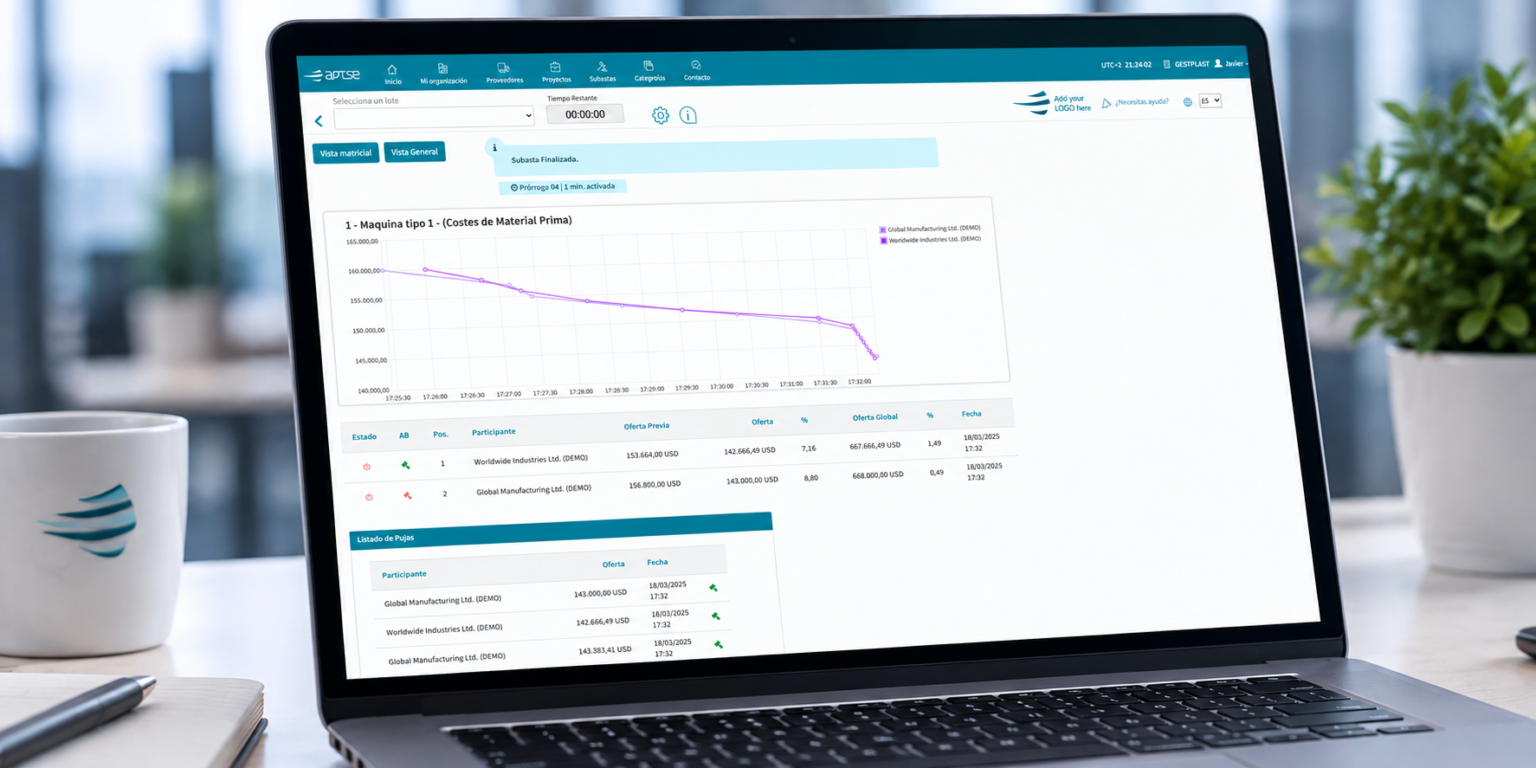
APTSE allows companies to centralise information requests, quotations and negotiations within their procurement processes.
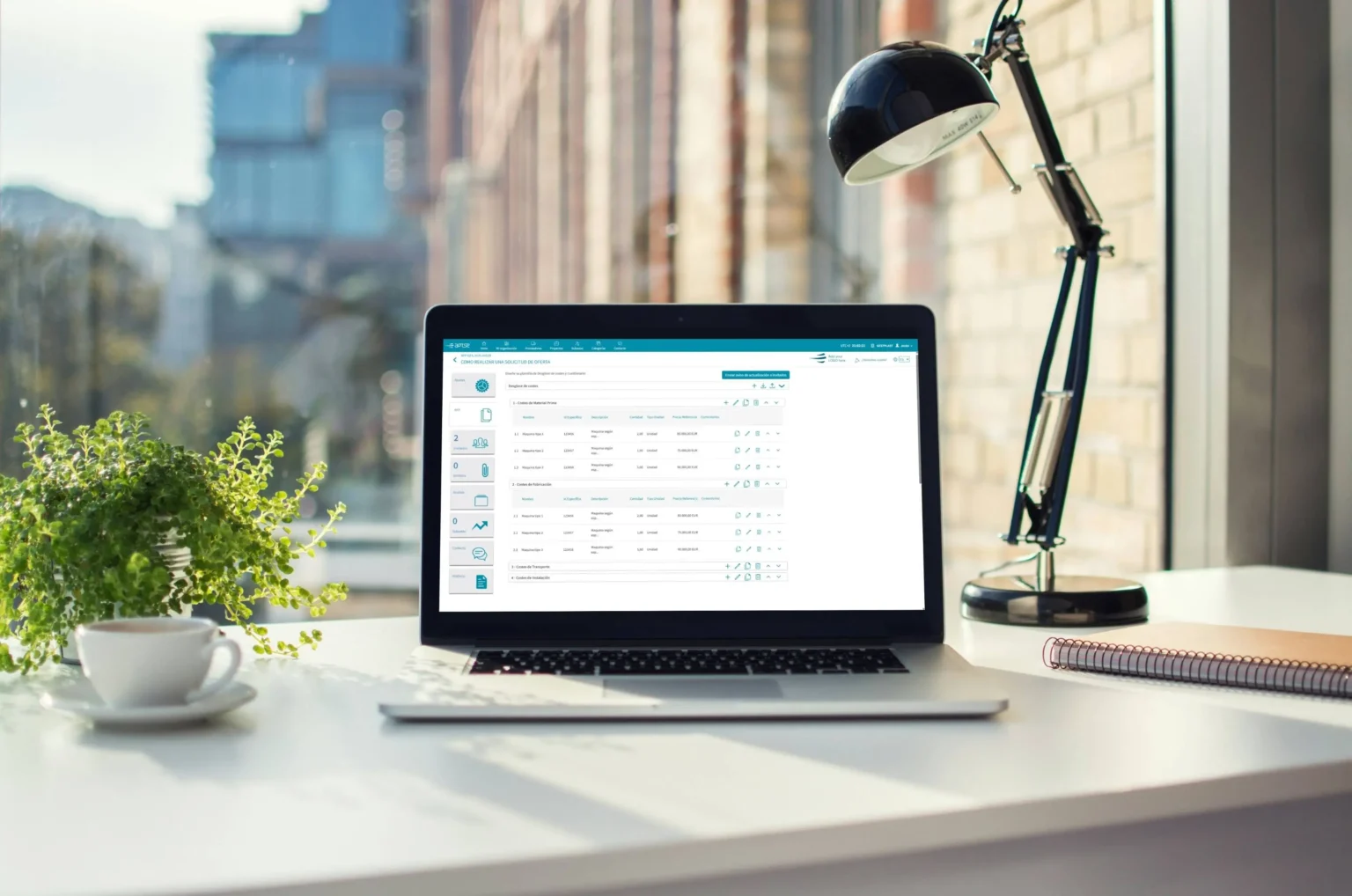
Its RFI module supports questionnaires and response analysis. APTSE’s RFQ module helps structure requests for quotation, share documents and centralise project communications.
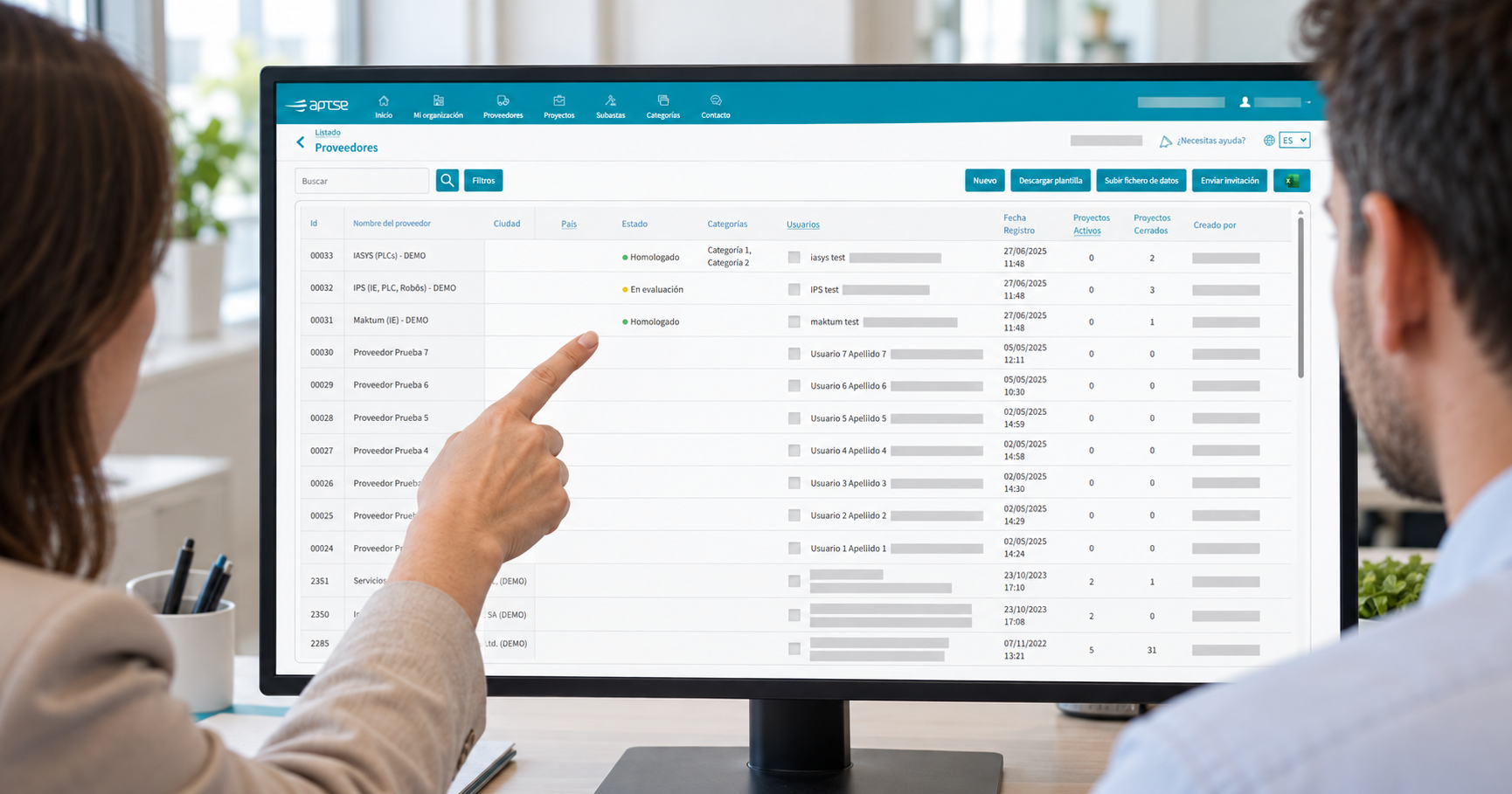
The platform also allows buyers to check the participation status of invited suppliers.
These capabilities help organise the information needed to assess candidates and compare proposals. Qualification requirements, technical validation and approval decisions remain the responsibility of the people designated by the company.
For more detail on when to use each request, read our guide to the differences between RFQs and RFIs.
Frequently Asked Questions About Supplier Management
Does Qualification Guarantee a Supplier Will Be Awarded Business?
No. Qualification confirms that the supplier meets the requirements defined for a specific scope. The award depends on proposal comparisons and the criteria established for the purchase.
How Often Should Suppliers Be Evaluated?
This depends on the criticality of the supply, the volume of business and any incidents. Companies should establish periodic reviews and carry out additional assessments when significant changes occur.
Can Excel Be Used for Supplier Evaluation?
Yes. A spreadsheet can support a simple evaluation matrix. As more people and suppliers become involved, the company should consider how it will manage versions, documents and communications.
How Does Supplier Management Relate to SRM?
SRM stands for Supplier Relationship Management. It focuses on how supplier relationships are organised and developed, particularly with suppliers that are important to the business.
Organise Your Procurement Processes with APTSE
Effective supplier management requires defined criteria, comparable information and documented decisions.
If you want to centralise your company’s information requests, quotations and negotiations, contact the APTSE team and request a demonstration.